

Conference
2017 TGDF Notes: Visual Design Notes from Qubot
Speaker | Qubit Games | Louis Lu
Louis Lu has worked on several well-known games in Taiwan and overseas. He is a co-founder and art director of Qubit Games.
─ Excerpted from TGDF official
These are personal notes and may not fully represent the original speaker’s intent.
Other articles in this series
- 2017 TGDF Notes: Creating 3D Japanese Animation Quality in a Small Indie Studio
- 2017 TGDF Notes: Game AI and Level Difficulty
- 2017 TGDF Notes: Finding a Path in a Crowded Market
- 2017 TGDF Notes: Making the Future Present Through Rez Infinite
- 2017 TGDF Notes: Lanota Development Experience
- 2017 TGDF Notes: Postmortem on What Went Right and Wrong
- 2017 TGDF Notes: The Art Direction of Detention
- 2017 TGDF Notes: Visual Design Notes from Qubot
- 2017 TGDF Notes: Survival Rules for Game Software Engineers
Game case: Qubot Pixel Fighter
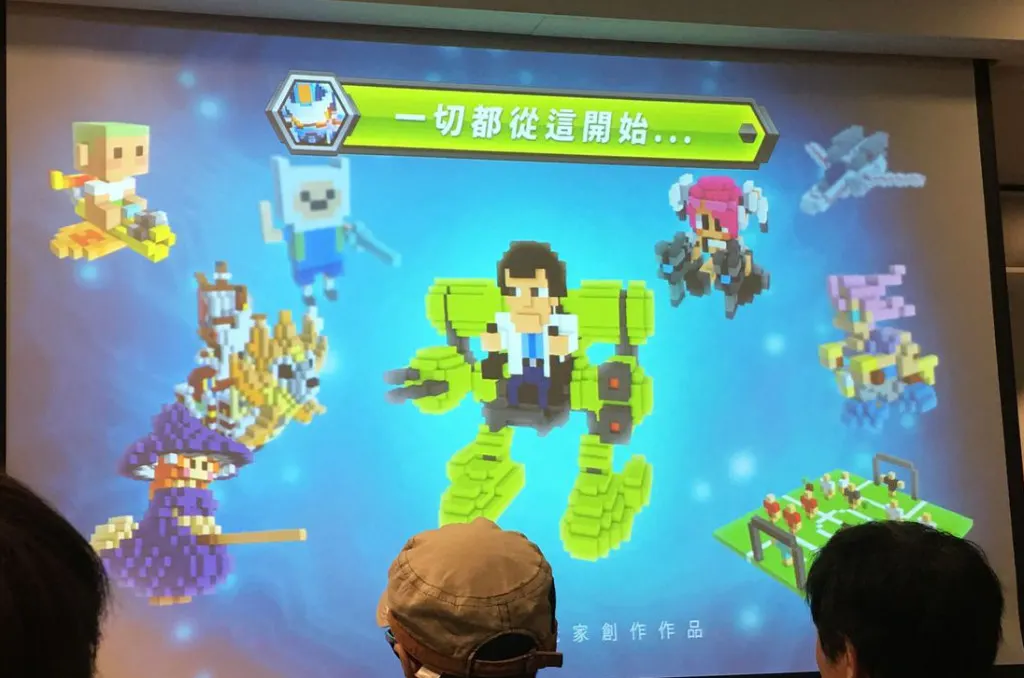
Everything starts here
Players created robots through SpaceQube.
Homemade engine
LynxEngine supports dynamic voxel computation, using 3D pixels as the visual foundation.
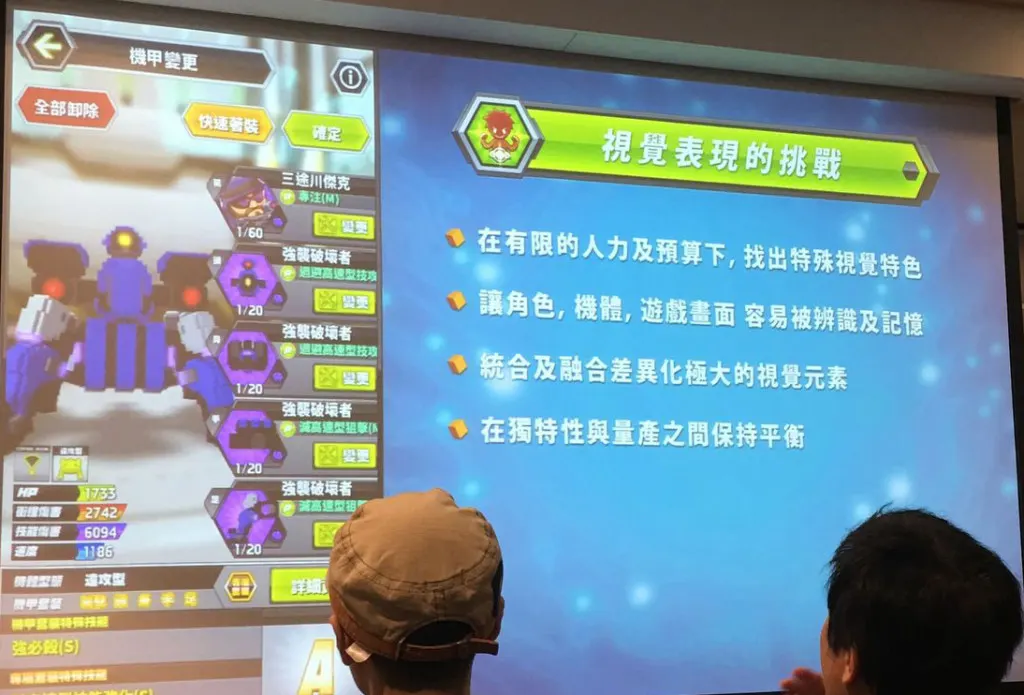
Visual performance challenges
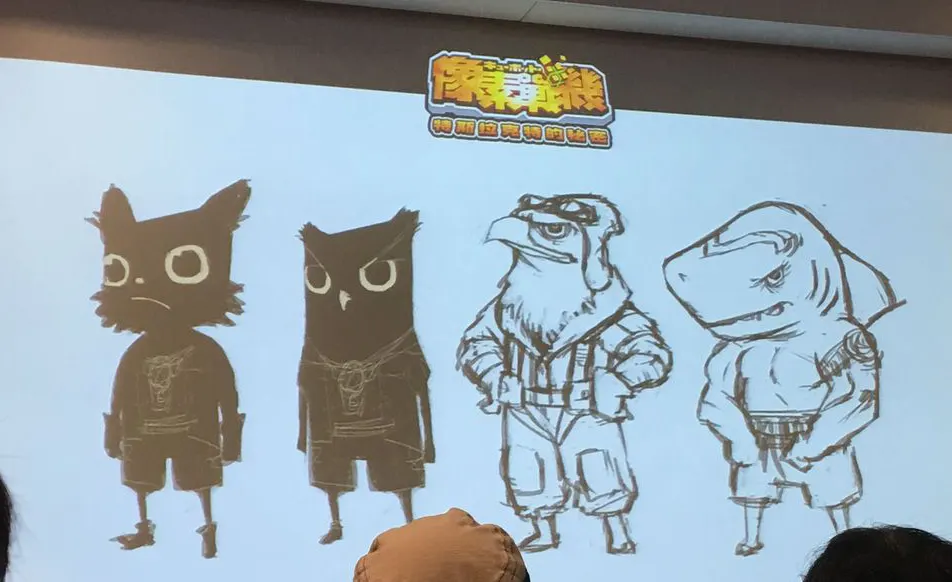
Style concept sketches
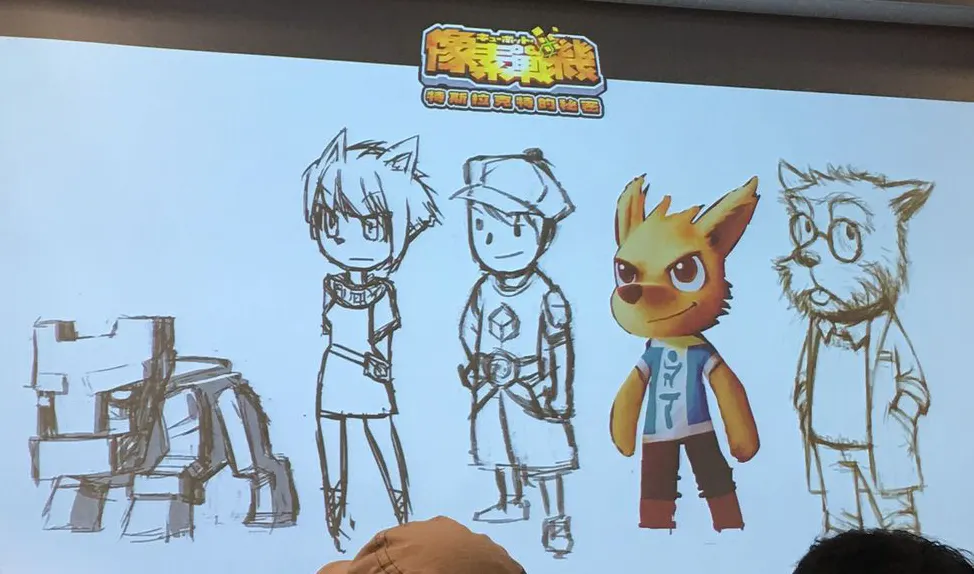
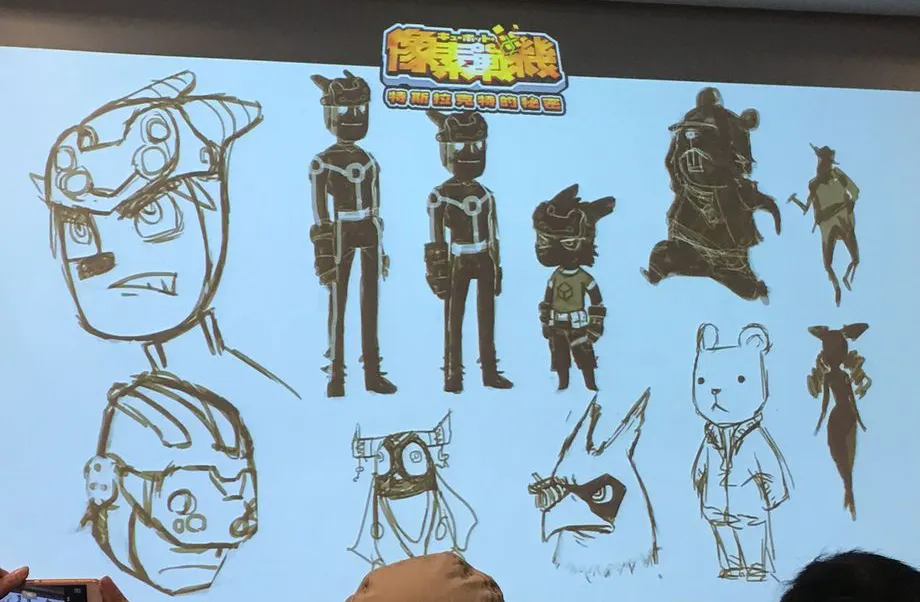
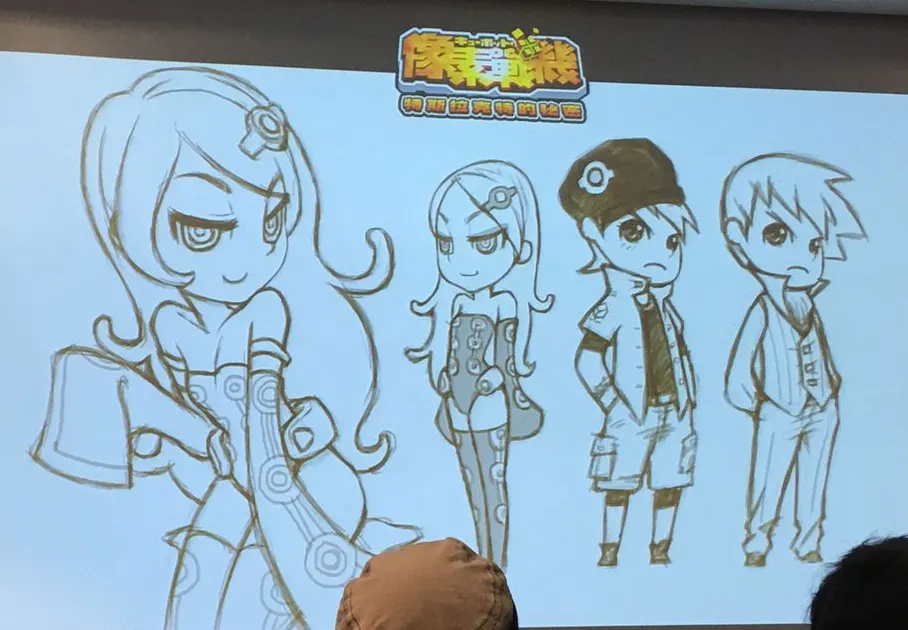
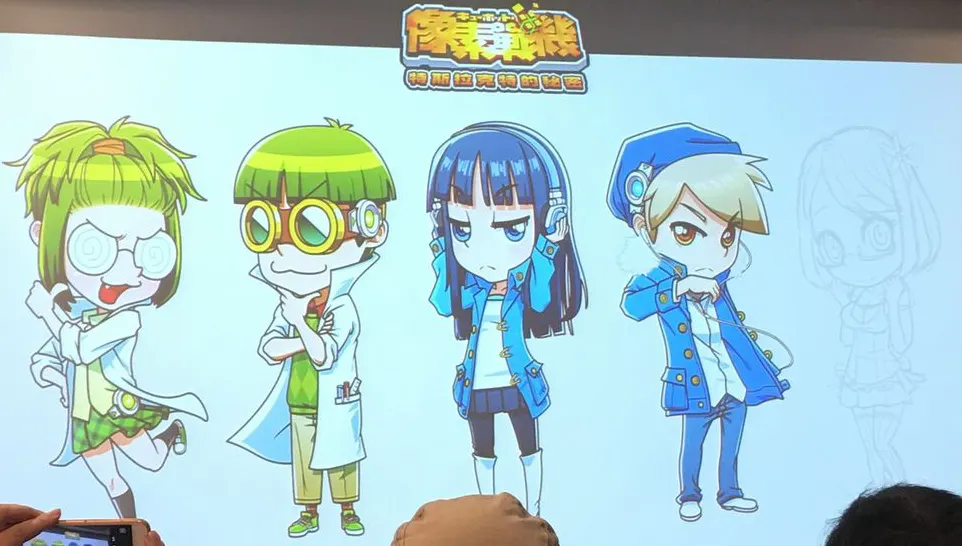
Game prototype
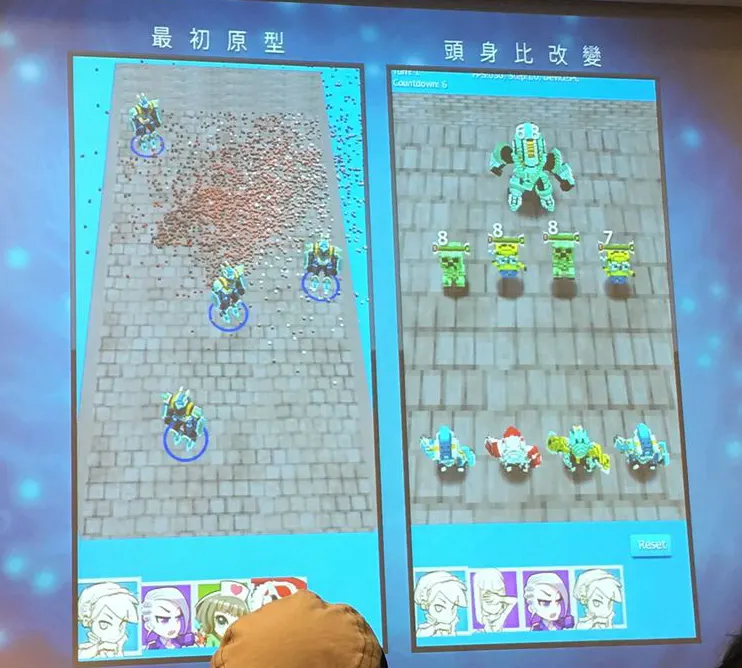
Finalized style test
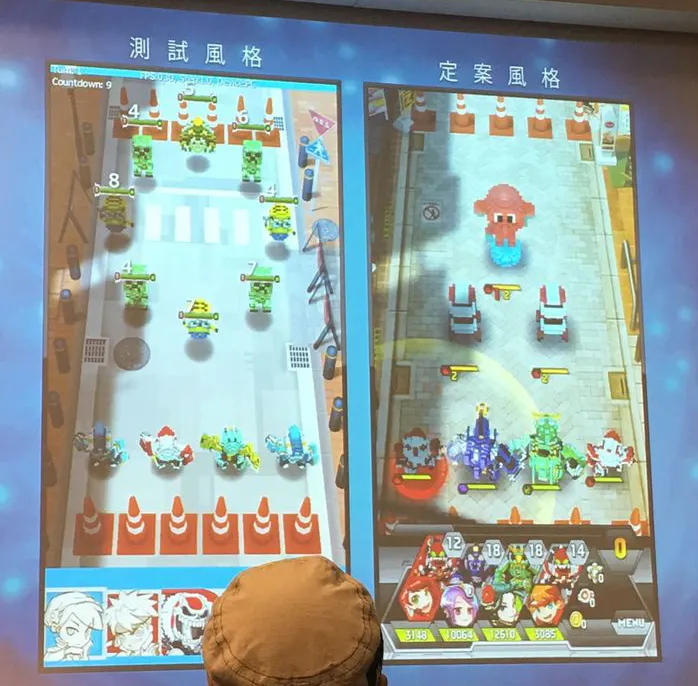
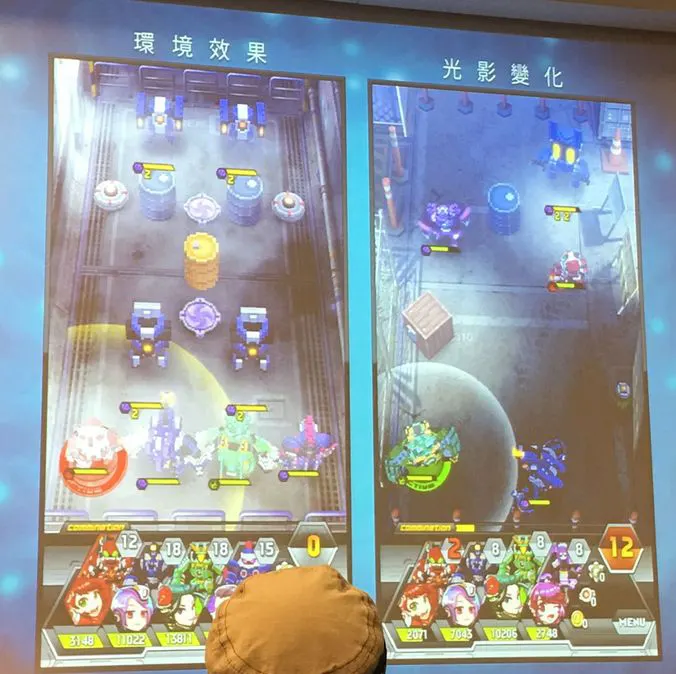
Later polish and visual refinement
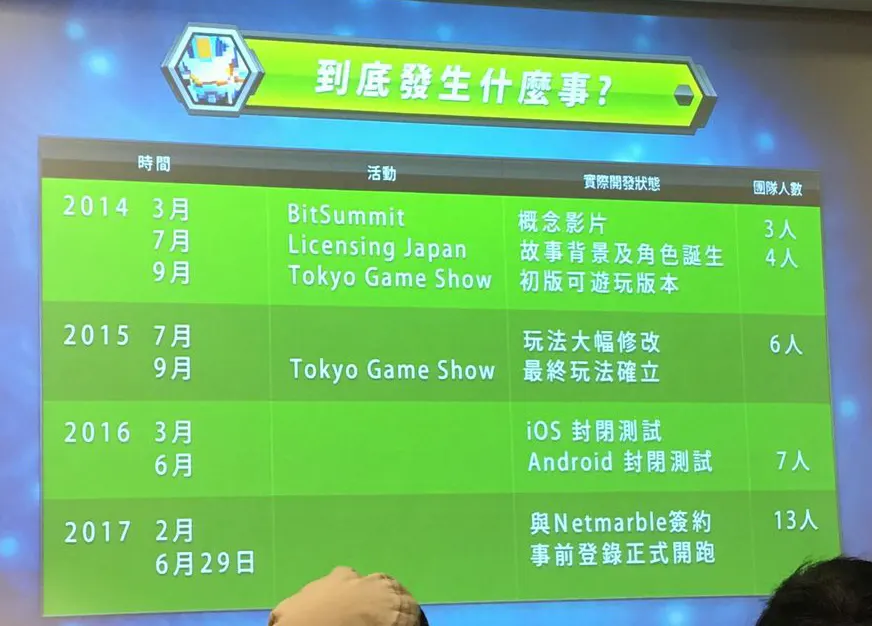
Development schedule
- After testing, the response in Japan was strong, so the team planned development for the Japanese market.
- Because the game was similar to Monster Strike, the gameplay was significantly revised.
Web version mecha editor
Attribution
Please credit ARKAI Studio and link back to this article when quoting or reposting.